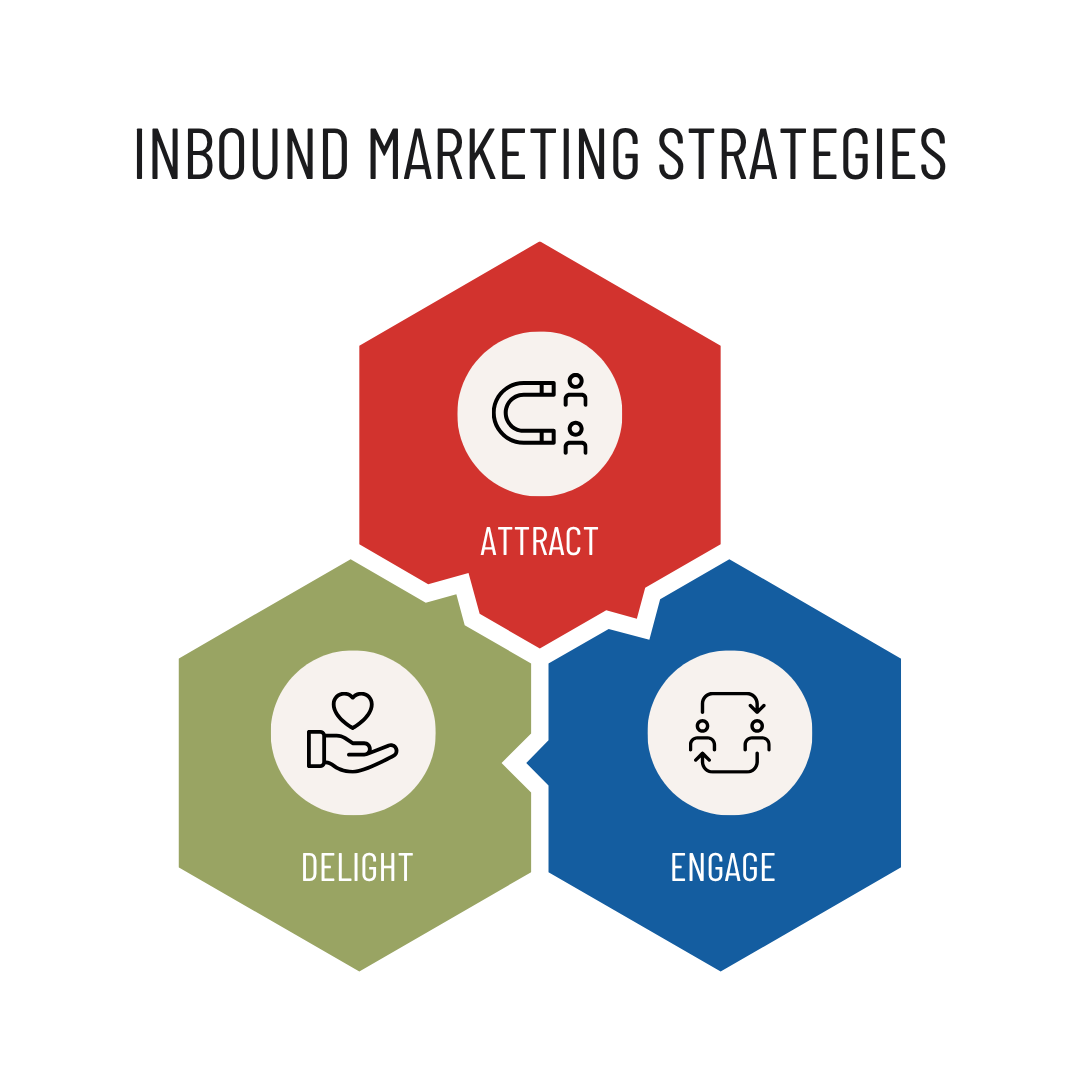
Inbound marketing draws in warm leads to your brand via helpful, entertaining content.
But getting that attention is step 1. What do you do with that attention?
If you let people read your stuff and leave, after all, you’re throwing money away.
You need a system for turning that attention into a customer relationship — a task email marketing is best suited for.
This article breaks down how email helps you get more subscribers, revenue, and customer loyalty out of your inbound strategy… and real tactics you can start using right away.
| Table of Contents |
| What is Inbound Marketing? Email Marketing Strategies to Enhance Your Inbound Marketing Convert More New Leads What To Do Next |
What is Inbound Marketing?
Inbound marketing involves attracting customers organically, rather than through advertising campaigns or cold pitches.
Examples of inbound marketing methods include:
- Helpful blog content
- SEO optimization (including those blog posts)
- Organic social media posts
- Free resources (guides, eBooks, etc.)
Inbound draws people in naturally based on their interests. The marketing content is content they stumble upon naturally and want to read.
It’s often “slower” than outbound marketing, but the leads are warmer and more trusting.
Yes, that means they’re easier to sell to — IF you have a way to put offers in front of them.
If you don’t capture those visitors and nurture them after that first interaction… you lose them.
Why Does Email Matter to Inbound Marketing?
Inbound without email is like fishing without a net.
You might get attention, you might even make some incidental sales from site visitors. But you won’t keep ALL that attention, and you’ll lose out on plenty more easy sales.
These people already like your content. That’s why they’re here. Thus, they’ll like your emails, too. It’ll be easier to keep them on your list long-term (which ultimately means more sales and customer satisfaction).
Here are some reasons email matters so much for inbound marketing:
- It bridges discovery and purchase. Many won’t buy the first time they hear about you, even if they like your brand and content. Email keeps the conversation going after that initial touchpoint.
- It helps with long buying cycles. Customers in certain niches, such as those involving higher-ticket items, need more time. Email gives you a way to stay top-of-mind and continue presenting those offers until they’re ready.
- It recaptures bounced traffic. Someone downloaded your free guide or read your blog? Capture their email address and follow up, even if they left your site.
- It builds trust and long-term value., You deepen the relationship by sending helpful, relevant emails. This increases customer retention and lifetime value (LTV). Include opportunities to buy. Nothing wrong with selling to people who expressed clear interest.
- The leads are warmer. People who come in via inbound are already problem-aware or solution-curious. It’s a bit easier to nudge them along to the sale.
Email Marketing Strategies to Enhance Your Inbound Marketing
The strategies below are the building blocks of your inbound marketing’s email efforts. Get these in place, and you’ll convert more leads into long-term customers.
Opt-In/Lead Magnet
Before you can mail those inbound leads… you need to get their email addresses. That’s the job of your opt-in form(s) and lead magnet.
Your lead magnet is some sort of incentive that trades value for the lead’s email address. Free “products,” like an eBook, guide, or checklist, tend to suit inbound strategies well (even for some DTC eCom). Discounts and monetary incentives could work as well.
Once you have a lead magnet, you need opt-in forms through which to offer it. This physically asks for the email address and, in exchange, promises the lead magnet.
Opt-in forms should be well-placed, using things like:
- Header fields
- Footer fields
- Pop-ups (perhaps the most important)
- In-line forms
- Exit-intent forms
They should be easy to navigate, mobile-friendly, and visually appealing.
Nail this and you’ll maximize the number of leads that wind up on your list.
Email Automations
Email automations are, as they sound, automated sequences of emails that send to subscribers who meet specified criteria.
There are TONS of these. But the ones that matter most are those that send to new leads. These guide those leads from casual interest to confident purchase.
Here are those sequences, in rough order of the new lead’s journey toward that first purchase.
- Welcome Sequence: Sends to new subscribers. Doing the Welcome Sequence right brings your lead “into your world,” gets the first sale… and can even lay the groundwork for long-term loyalty early on. Part of this flow can build on your lead magnet.
- Abandoned Site Flow: Sends to leads who visit the site without viewing a product or initiating the order process. Talks about the brand, points the customer the right way, and encourages questions to gather more info and potentially open a sales conversation.
- Abandoned Browse Flow: Sends to people who view a product but don’t add to cart. Educates the subscriber on the product and relevant customer problems or goals, aiming to secure a purchase.
- Abandoned Cart Flow: Sends to people who add to cart but don’t reach checkout. Addresses objections/hesitations about the product (and the brand, where relevant) to encourage a purchase.
- Abandoned Checkout Flow: Sends to people who reach checkout but don’t finish their order. Addresses objections/hesitation around logistics (like shipping), payment, refunds/returns, and so on.
Well-built automations give you an email marketing “baseline,” helping you communicate with different types of leads in a standardized yet personalized manner.
They provide the right info and offers at the right time to turn that inkling of trust into a sale and a long-term customer relationship.
Email Campaigns/Broadcasts
Automations are a start. The next “layer” of email for inbound marketing is your broadcast/campaign/promotion strategy.
That’s a fancy way of saying “mailing your list.”
Start by getting into a regular cadence and schedule for your “value” emails.
For example, sending Monday, Wednesday, and Friday at 10am your local time.
Regular “value” emails should:
- Offer a helpful lesson
- Entertain
- Sell/present an offer/get the reader to act
All value emails should get the reader to take some action. Most should sell your products, but not all have to.
You can also send them to relevant blog posts, YouTube videos, new free eBooks/guides, and other free content.
Besides keeping them “in your world,” this gives your other channels a boost in SEO, views, downloads, and so on.
On top of that are promotions — such as holiday sales, seasonal promos, niche-relevant days/weeks/months, etc. Huge opportunities to convert warm leads who haven’t bought yet.
Email Content Repurposing
The great thing about emails is that you don’t have to throw them out once you send them.
If they perform well… that’s a sign that people like it. And if people like it, you could reuse it for other types of content!
Here are some ideas:
- Blog posts or articles (you may need to expand on the email content, of course)
- Social media content (threads, carousels, individual posts)
- YouTube video scripts or podcast outlines
- Lead magnets or landing page copy
And then, of course, these pieces of content can feed new visitors/followers to your email list. You create a flywheel of warm list growth.
These days, you can repurpose WAY faster with AI. For example, I sometimes feed ChatGPT my own emails and ask it to “tweak this email so it fits LinkedIn.”
ChatGPT knows what that means. It understands what kinds of content and styles get attention on LinkedIn, and it’ll adjust the email to optimize for the platform. I read through it and make small changes, then copy + paste.
Works for blog posts, lead magnets, and any other content types — as long as you know how to work back and forth with AI.
One other neat way to repurpose:
As I teach in AI-Assisted Email Copywriting, you can use past emails to train ChatGPT on your voice/tone/structure so that it can help you write new emails or other forms of content in the future. Very nifty!
Convert More New Leads
Inbound marketing works best when every piece fits together. Email is the piece that makes the whole machine hum.
Getting people to your site or store is the first step, while email brings them into the fold by making that first sale and turning them into a loyal, repeat customer.
So if you’re investing time/money in content, SEO, and social to bring people in, don’t let those efforts go to waste.
Get your opt-in, lead magnet, automations, and campaigns all running ASAP. Get it right, and your inbound marketing will become far more profitable.
What To Do Next
- Share this article with someone who might find it helpful (or entertaining).
- Get my free eBook using the form below to learn the 5 things stopping you from turning “one-and-done” customers into repeat buyers.
- Reach out to me if you have a sizable email list and make less than 20% of your revenue through email.